Arriving at Lagos Business School on April 18, 2026, completely shifted our mindset. The campus has a certain feel to it, professional, intentional, and focused. It is the kind of place that quietly demands your best the moment you step through the doors.
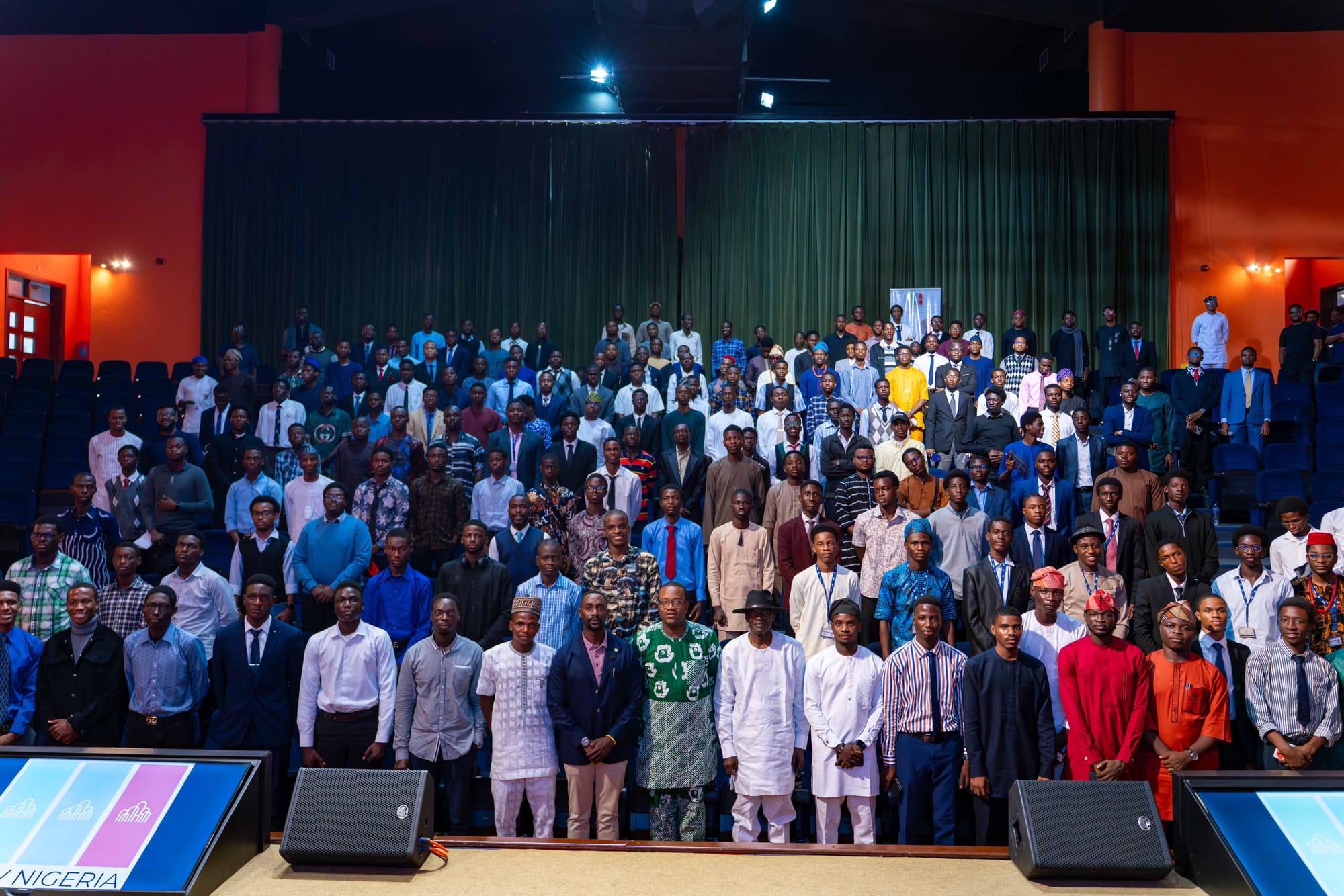
Arriving at Lagos Business School on April 18, 2026, completely shifted our mindset. The campus has a certain feel to it, professional, intentional, and focused. It is the kind of place that quietly demands your best the moment you step through the doors.
As classmates studying Medicine and Surgery at the University of Lagos, we were there to present our research papers at the UNIV Nigeria 2026 conference. The global theme for the year was "Building Bridges: The Art of Dialogue," and the energy at the registration desks made it clear that everyone was excited to dive into it.
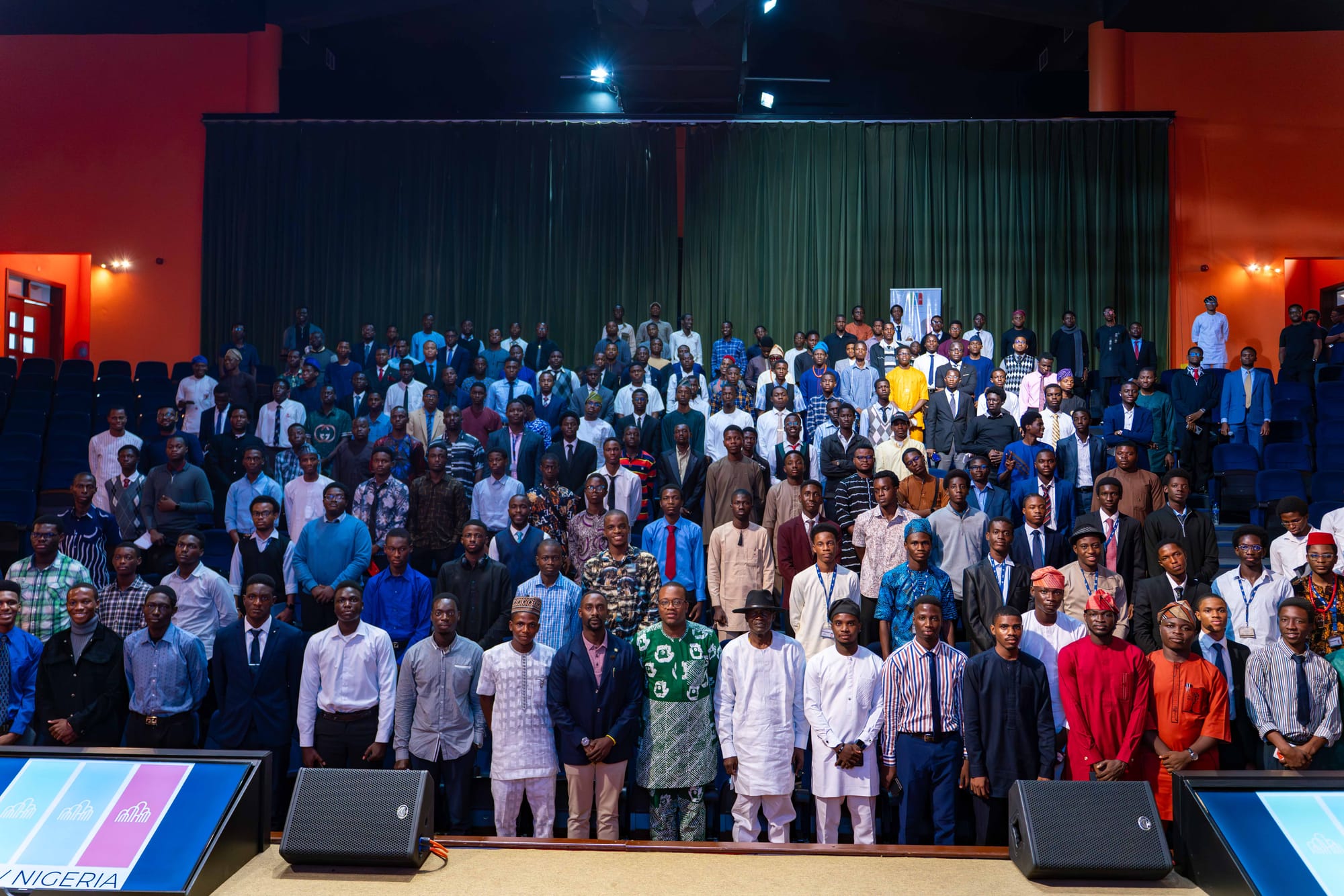
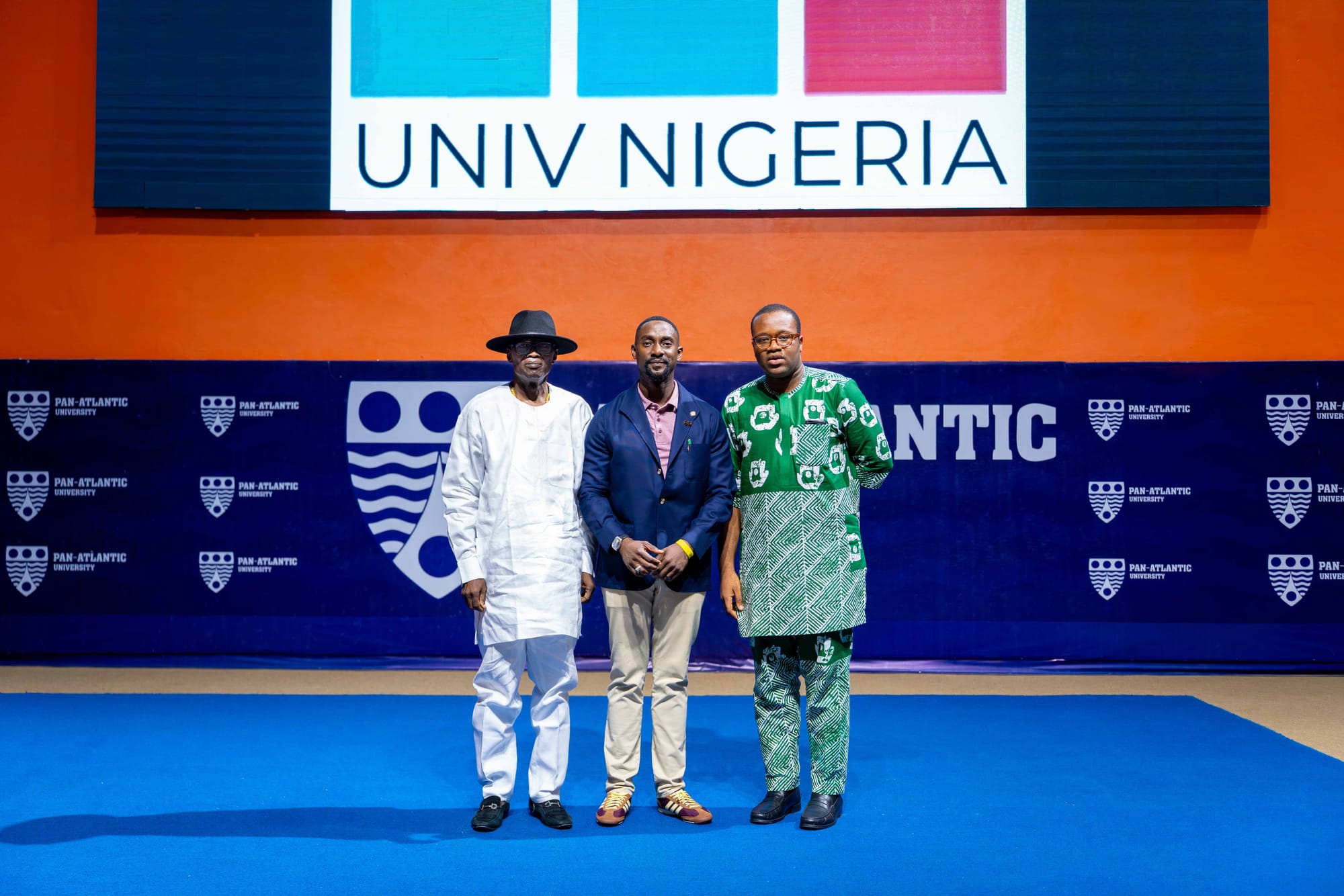
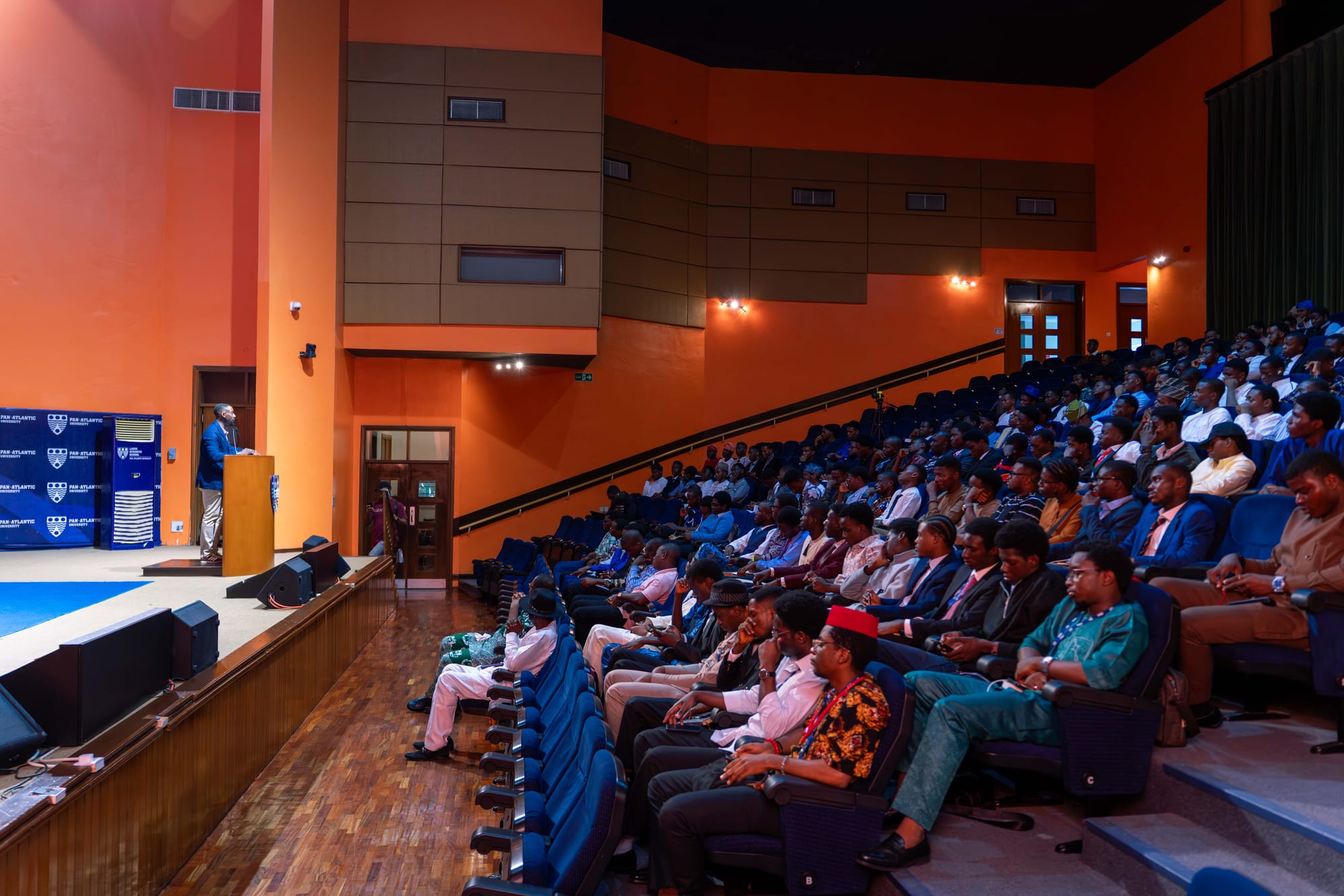
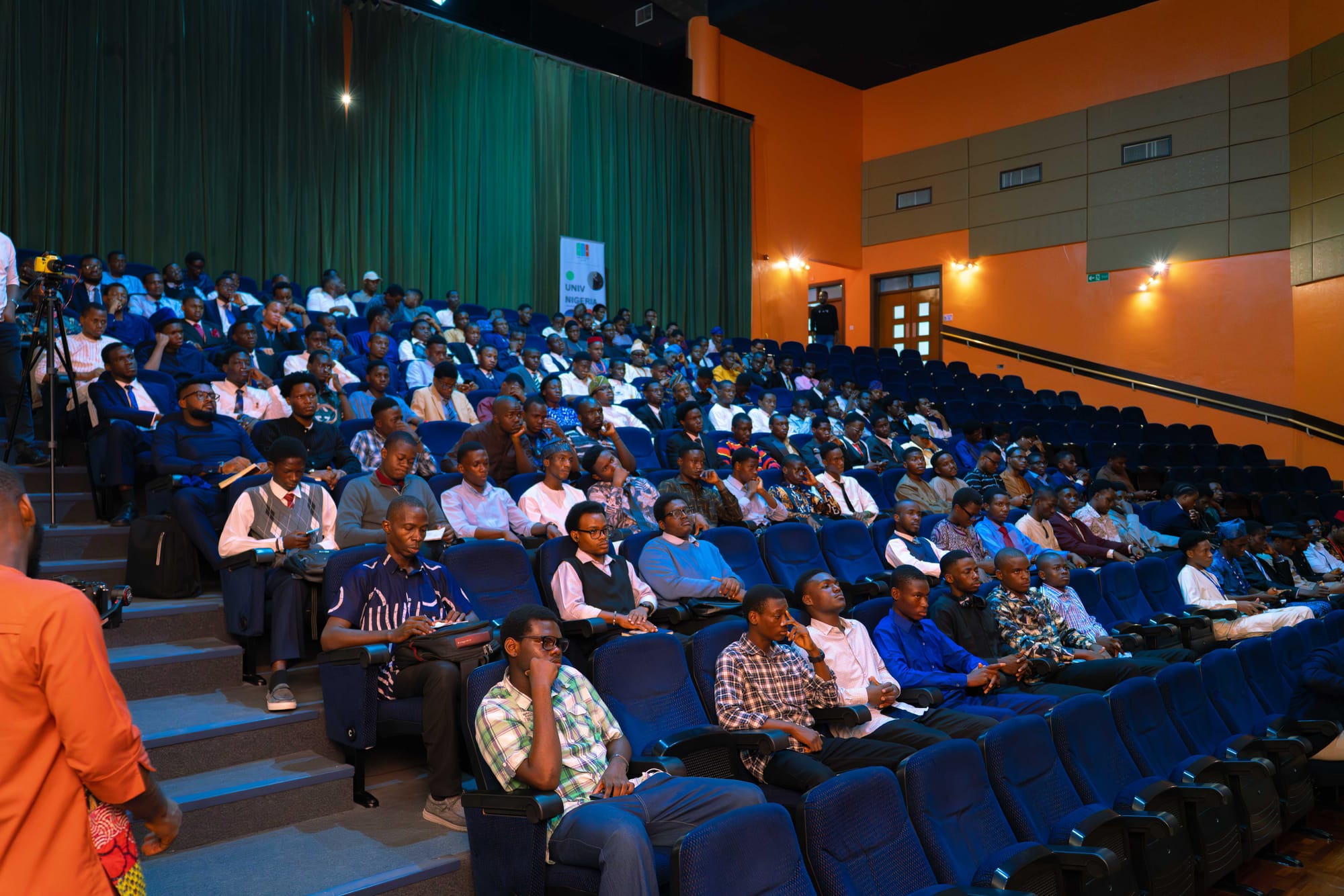
The venue was buzzing with students from all over, UNILAG, Lagos State University, Pan-Atlantic University, YABATECH, University of Benin, and Obafemi Awolowo University. Bringing together so many different faces and backgrounds instantly made the auditorium feel alive.
What UNIV Is - and Why It Matters
If you aren't familiar with it, UNIV is an annual international student conference inspired by the teachings of St. Josemaría Escrivá, the founder of Opus Dei. Every year during Holy Week, university students from all over the world gather to dive into a common theme, exploring how it connects to modern life, society, and culture.
While the main global gathering happens in Rome, national editions are organized in different countries so students can tackle these big questions within their own communities.
The global theme for 2026 was "Building Bridges: The Art of Dialogue." Students across continents spent the year reflecting on a massive challenge: how human beings can genuinely understand one another in an increasingly fragmented world.
Setting the Tone
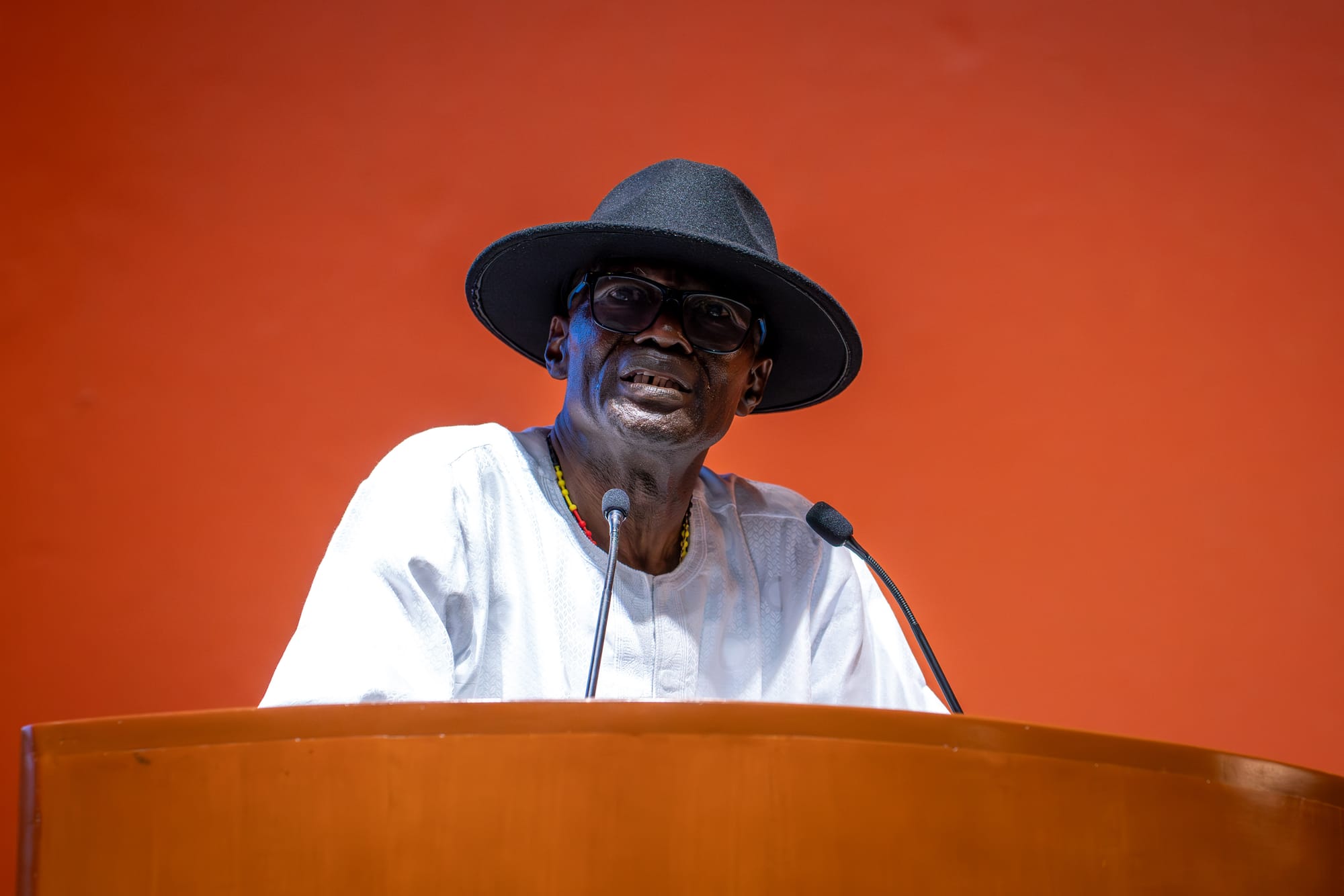
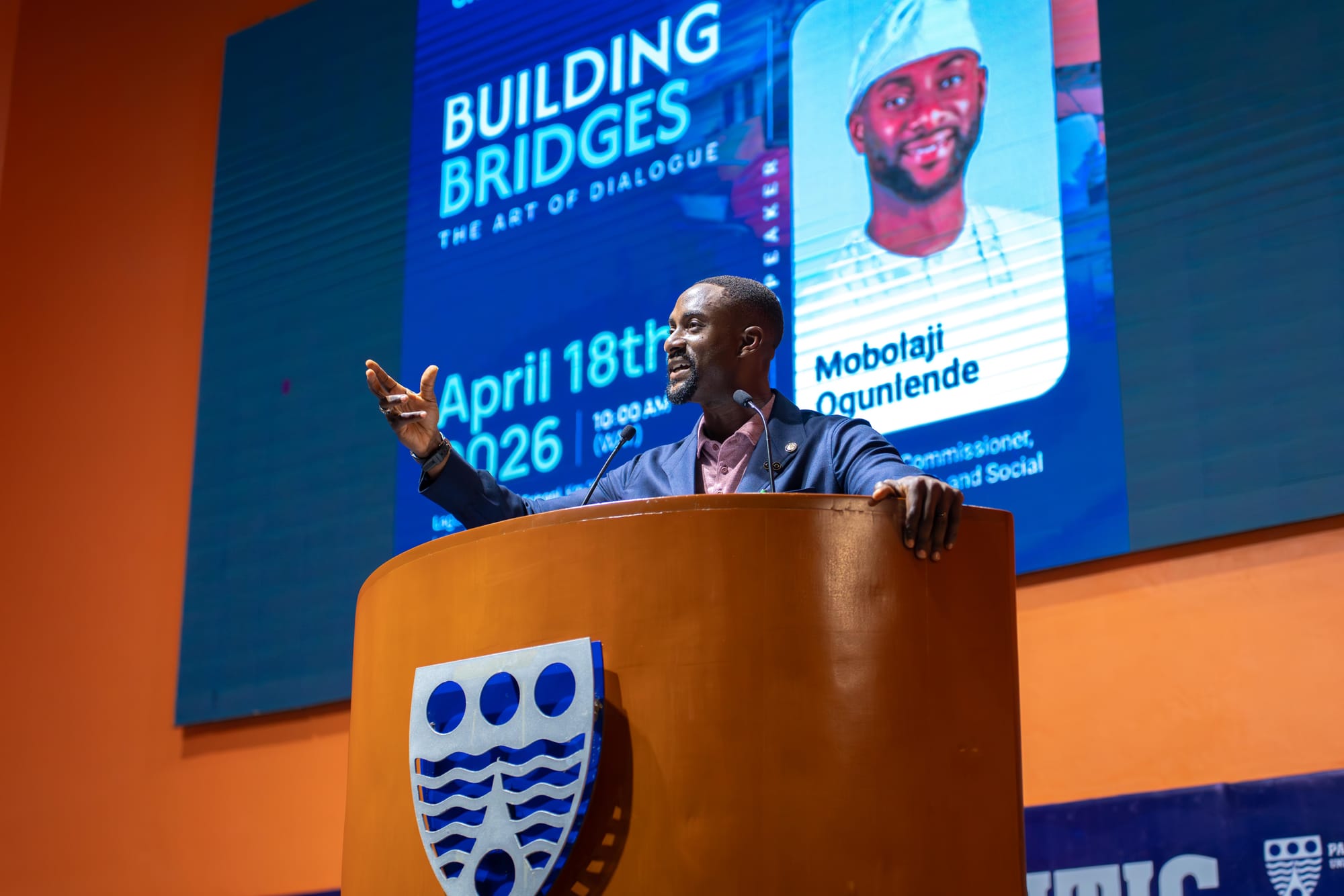
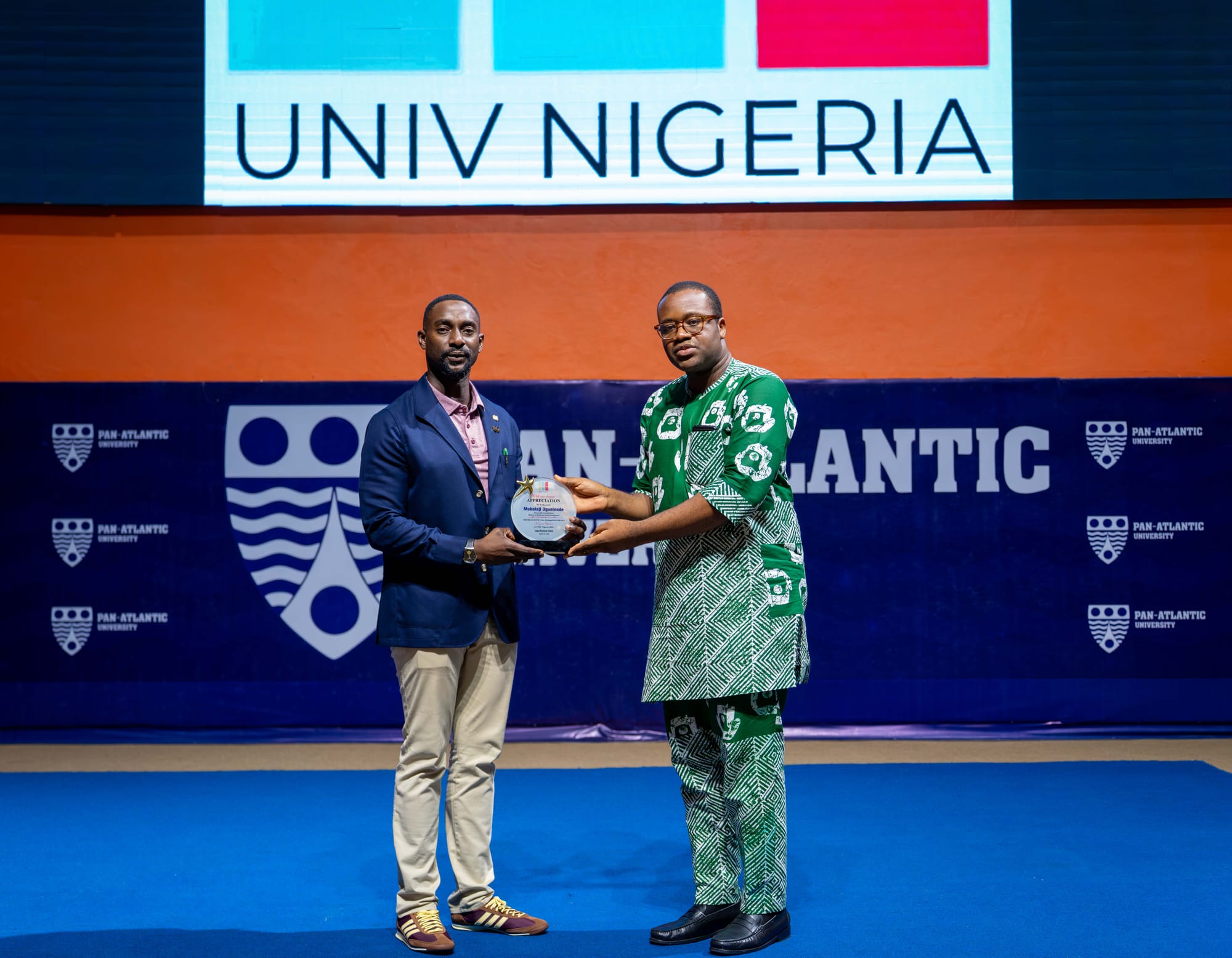
The keynote addresses set the pace beautifully. We listened to the Honourable Commissioner for Youth and Social Development, Mobalaji Ogunlende, break down dialogue from the perspective of public service, while Dr. Uche Attoh of Lagos Business School looked at it through human behavior. They proved right away that our theme wasn't just an academic exercise, it was a deeply practical tool for real life.
But as the opening sessions wrapped up, the reality of what we were there to do finally hit us. The pleasantries were over, and it was time to head up to the stage.
Taking the Stage
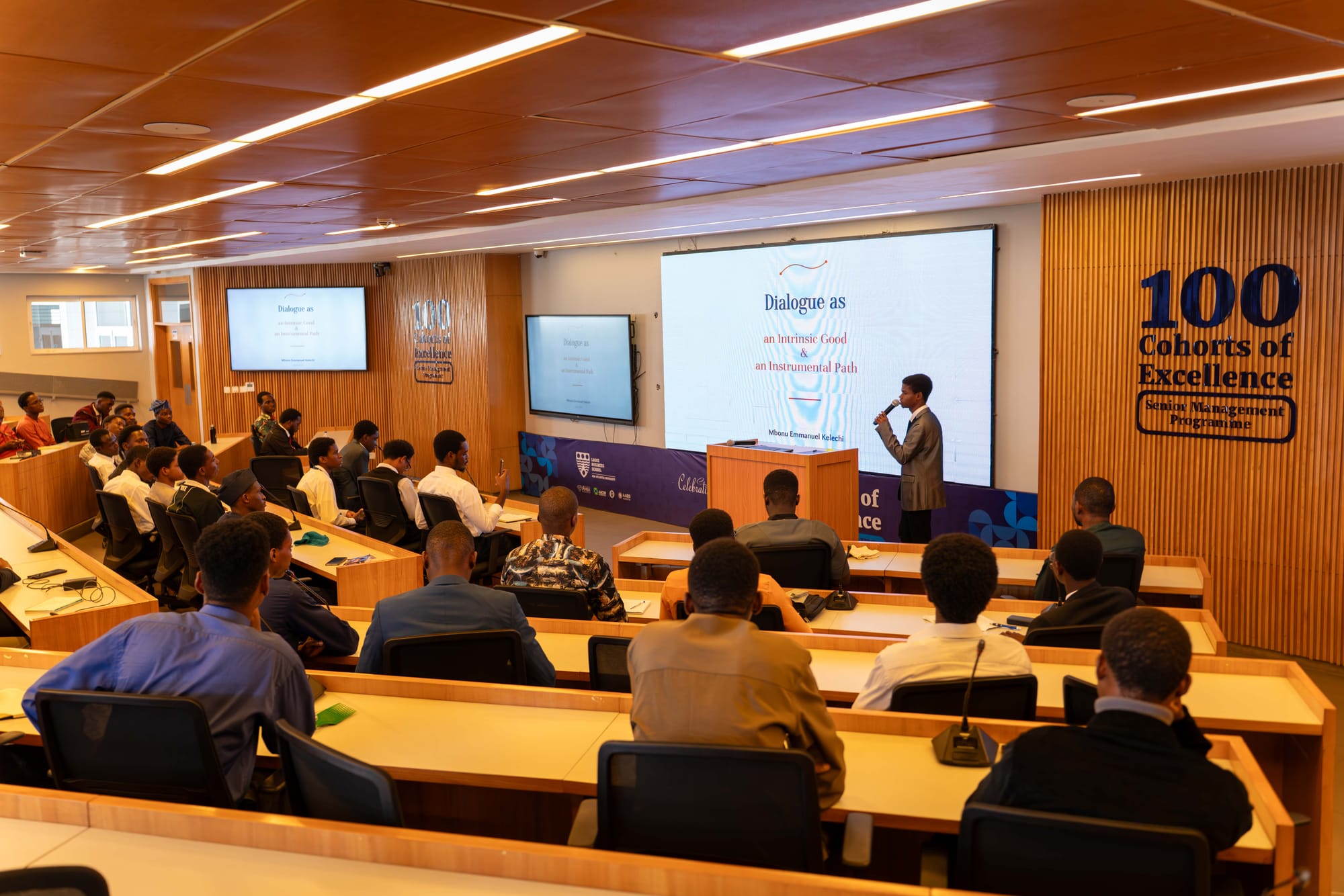
When our names were called, the nerves were very real. For Kennis, this meant standing before an audience of over a hundred people for his first major conference presentation. For Emmanuel, it meant shaking off the morning stress and finding the focus to look out at a sea of strangers, academics, and professionals.
But the moment we stepped up to the microphone and started speaking, the anxiety faded into the background.
Kennis presented "The Scroll and the Soul" — a look at how social media algorithms trap us in echo chambers and destroy real human connection. He talked about how digital platforms are intentionally designed to divide us, arguing that meaningful connection requires patience and empathy that an algorithm can never replicate.
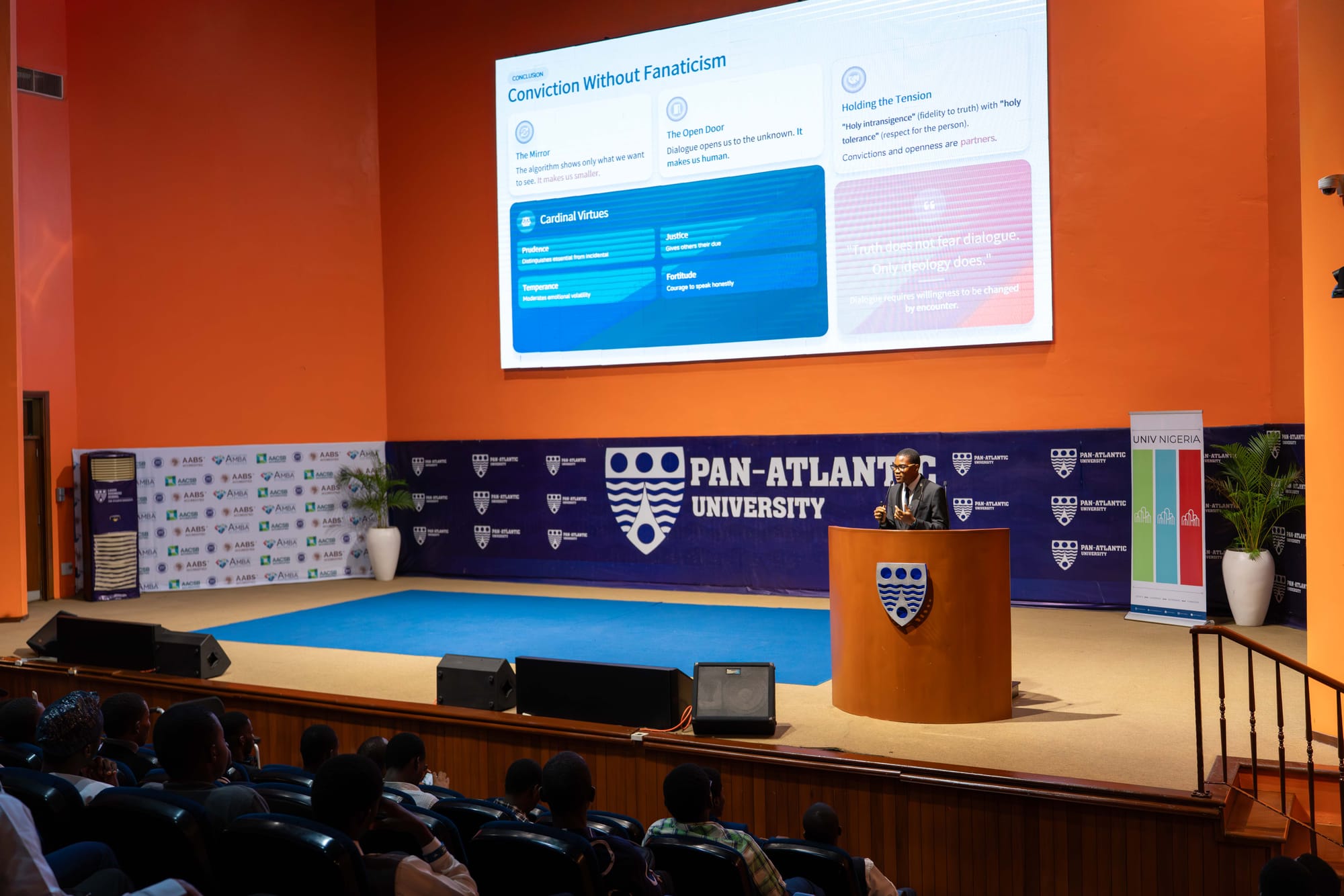
Emmanuel followed with "Dialogue: Intrinsic Good and Instrumental Value" — an argument that truly listening to someone is an act of human dignity, even if you don't agree. He focused on the idea that authentic dialogue often reveals truths that neither side could have discovered on their own.
Connecting with the Room
The absolute best feeling for any speaker is that exact split-second you realize the audience is completely with you. Not just sitting there politely waiting for their turn to speak, but actively locked into your words.
We both felt that shift.
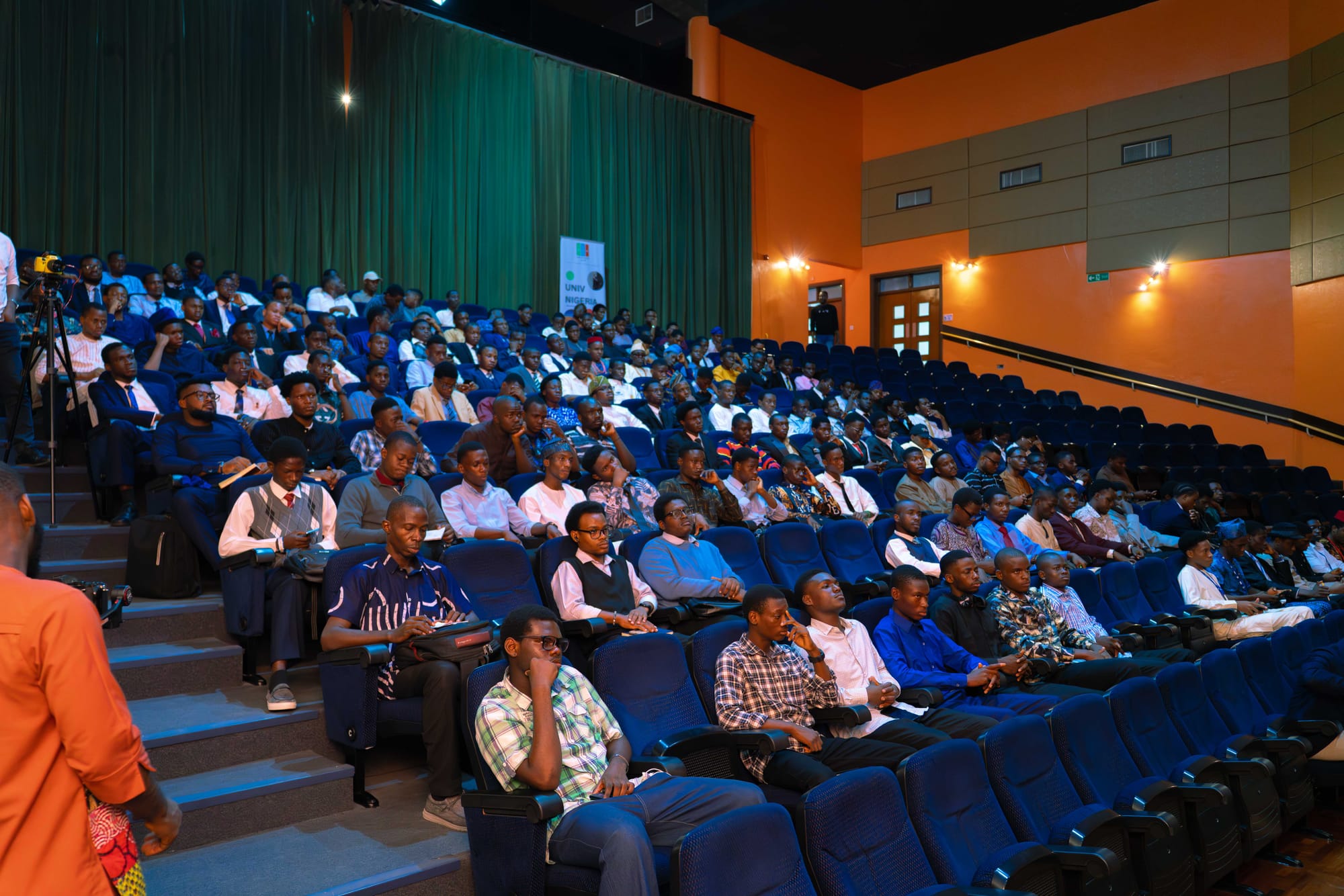
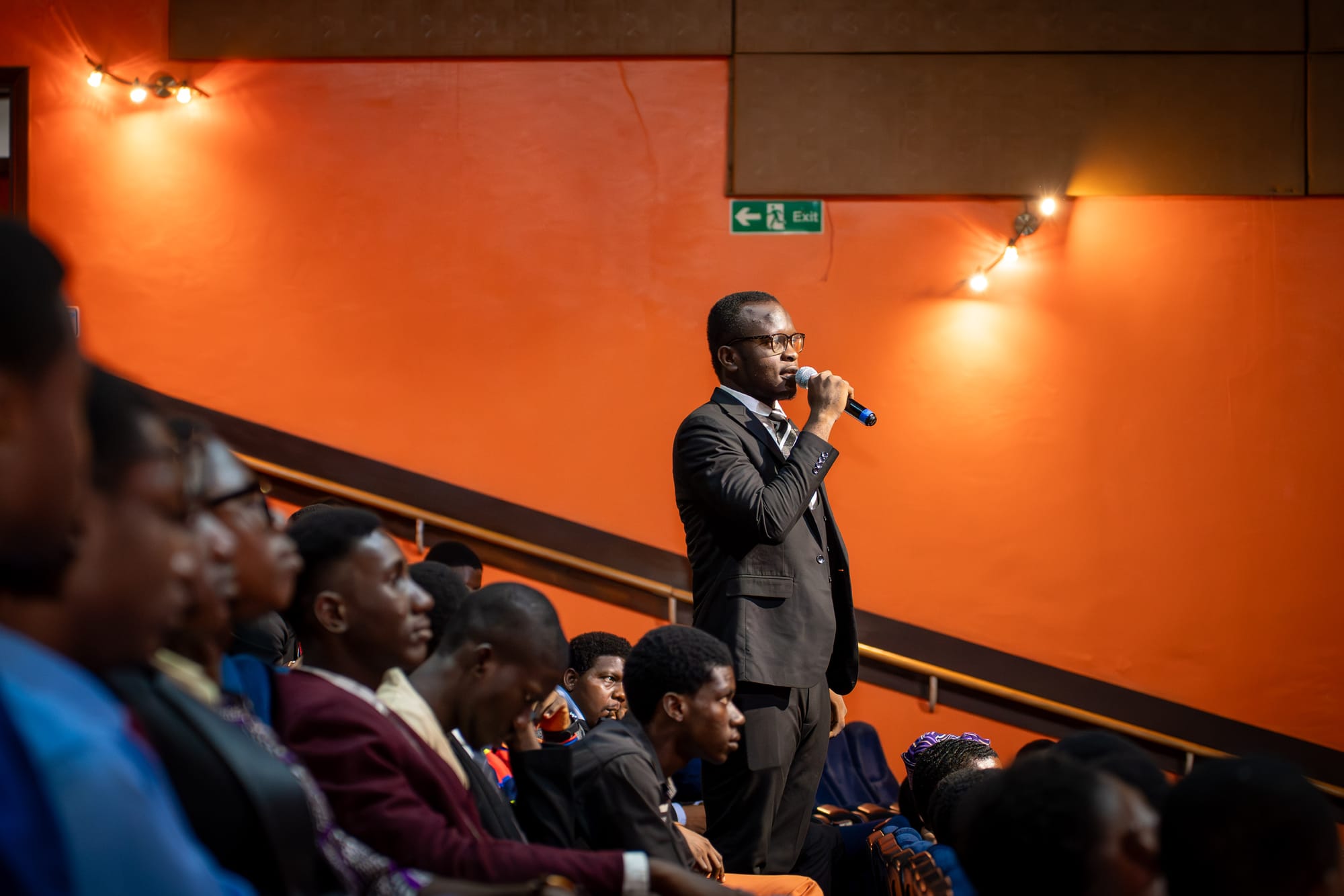
People later told Kennis that the entire Honeywell Auditorium got noticeably quieter and more attentive the moment he started his presentation. After the sessions, the Q&A quickly turned into a genuine, back-and-forth conversation. Several participants came up to us during the break to dive deeper into our points, with a few expressing real surprise that first-year medical students were delivering presentations at that level. It was an incredible confidence boost, and it reminded us how often people underestimate what students can achieve when given the right platform.
Later in the program, we watched highlights from the main UNIV event in Rome. It was a surreal moment. It hit us that while we were sitting in Lagos discussing these ideas, students in Italy, Brazil, Spain, and all over the globe were talking about the exact same things in different languages. It made our local conversations feel part of a massive, worldwide movement.
What We Brought Home
As the formal sessions wrapped up, the mood shifted. Everyone relaxed, contacts were exchanged, photographs were taken, and we finally got to enjoy some lunch. The official presentations were over, but the real conversations were just getting started.
Months from now, the specific details of the schedule will probably fade. We might not remember the exact wording of every question. But the core lessons won't leave us.
For Kennis, it was discovering a voice he didn't know he had, proving to himself that he could stand in front of a room full of strangers and confidently hold their attention with ideas he truly believed in. For Emmanuel, it was a lesson in resilience, learning how to compartmentalize stress, step onto a stage, and deliver under pressure.
The conference challenged us to think deeply about the art of dialogue, but more importantly, it gave us a room full of people to practice it with. That is the memory that will stick with us for a very long time.
UNIV Nigeria 2026